



Taj Mahal, India
Taj Mahal was built by order of Shah Jahan, a Great Mughal emperor and the descendant of Tamerlan, in memory of his wife Mumtaz Mahal. In our cynical times it's hard to believe in feelings strong enough to withstand 17 years of marriage and 13 children. But it's a fact — all legends and stories of that time tell us one thing: when they first met, Shah Jahan was enchanted by his chosen one, so from that moment on he didn't pay attention to his other wives. When Mumtaz Mahal died during childbirth of their fourteenth baby in 1631, Shah aborted his war campaign, returned home and dedicated the rest of his life to building the mausoleum.
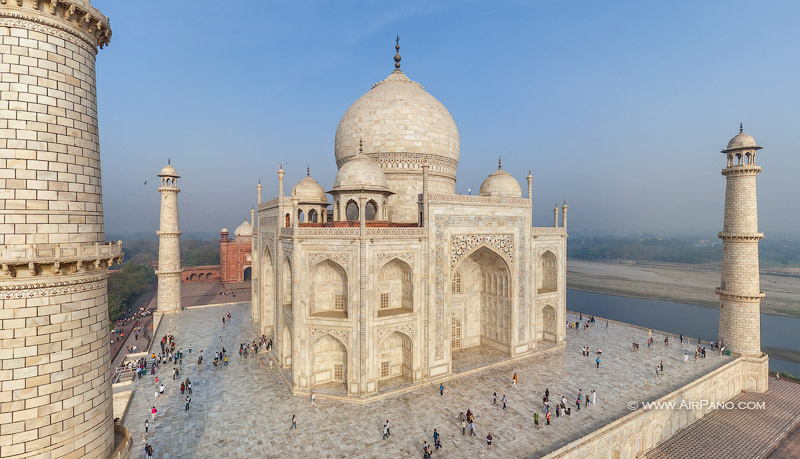
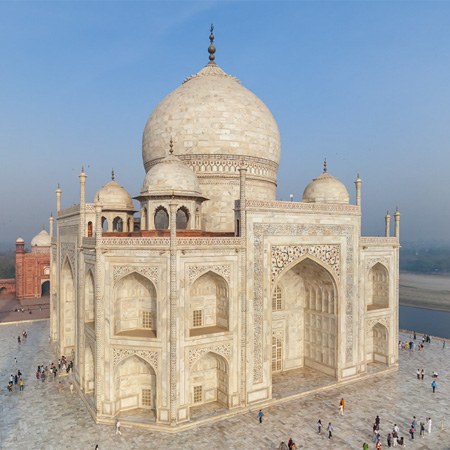
Twenty thousand workers had been building the monument for more than twenty years. Beside local experts, foreign architects — Venetian and Frenchman — were invited to participate in the development. Combined efforts gave birth to five-dome building, which was 74 meters high on the platform with 4 minarets in the corners. The walls are faced with polished semitransparent marble, brought to the site from a 300 kilometers distance. It looks white in the bright daylight, pink during sunset, and silver in the moonlight. Furthermore, walls are decorated with turquoise, agate, malachite, carnelian and other gemstones delivered from many countries including Russia.
The grand building of Taj Mahal is surrounded by park. Water canals divide the park into square sections. The wide canal with fountains runs from the main gate. When the fountains are silent one can see a magic reflection of Taj Mahal in the water...
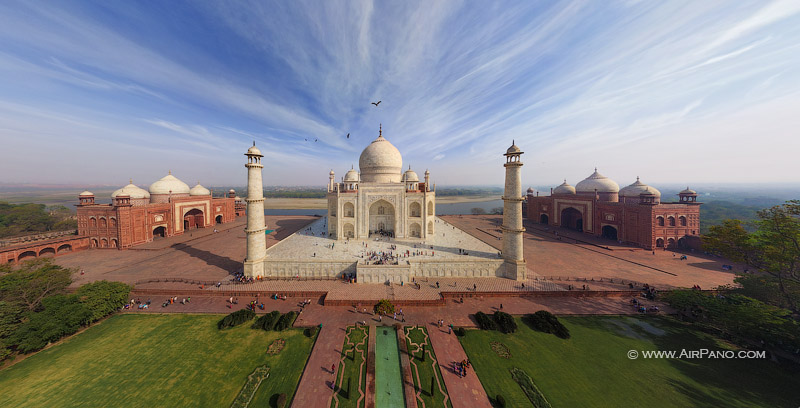
While the construction was in progress, Shah Jahan had an idea to create the same monument for himself on the opposite shore of Jamuna River that runs right behind the mausoleum. It would be made of black marble and connected with his wife's mausoleum by an openwork bridge. Unfortunately, this beautiful dream did not come true. In order to maintain a clear view of the most spectacular mausoleum in the world, it was prohibited to erect more than 4-storey buildings in 3 kilometers radius.
However, many years of grief and obsession with building the mausoleum prevented Shah Jahan from attending to his country's needs. As a result, he was overthrown by his own son (son of the woman to whom he dedicated the mausoleum) and spent the rest of his days in jail. The legend says that, as some cruel joke, his jail windows were facing Taj Mahal, the monument to his loved one whose untimely death led to his demise.
Taj Mahal is not just one of the most famous India landmarks. It is a rare monument, which needs to be seen and also to be felt. This is a story of love artistically preserved in stone, and it affects everyone who sees it.
Photos by Stanislav Sedov and Dmitry Moiseenko
30 September 2022
Read more
 India, Taj Mahal from the altitude of 200 meters
 India, Taj Mahal #7
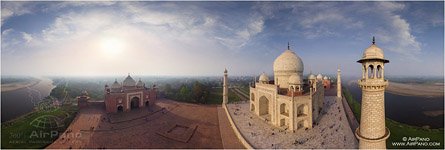 India, Taj Mahal #9
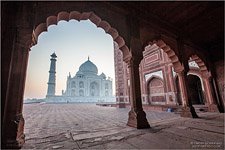 India, Taj Mahal #5
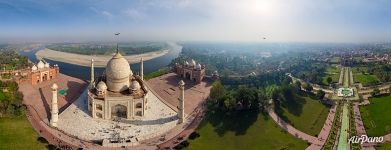 Panorama of Taj Mahal
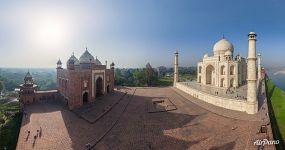 Taj Mahal from the north-east
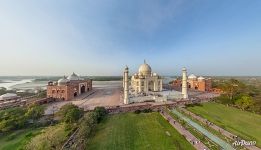 Taj Mahal from the south-west
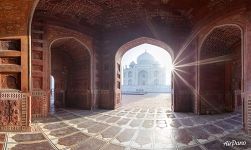 View from the mosque
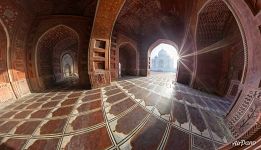 View from the mosque
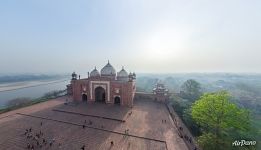 Taj Mahal Mosque
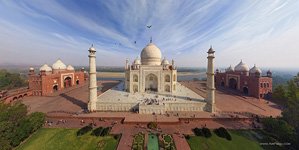 India, Taj Mahal #1
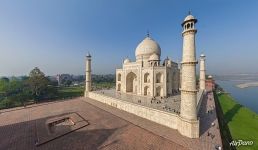 Taj Mahal from the north-east

Virtual Travels in 360°
 Horseshoe Bend, Colorado River, Arizona
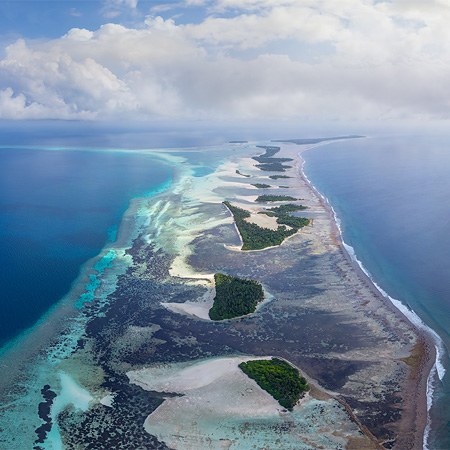 Southern Maldives. Part III
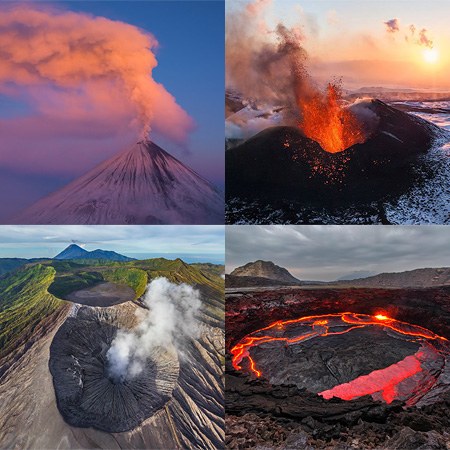 Best Volcanoes around the World from above
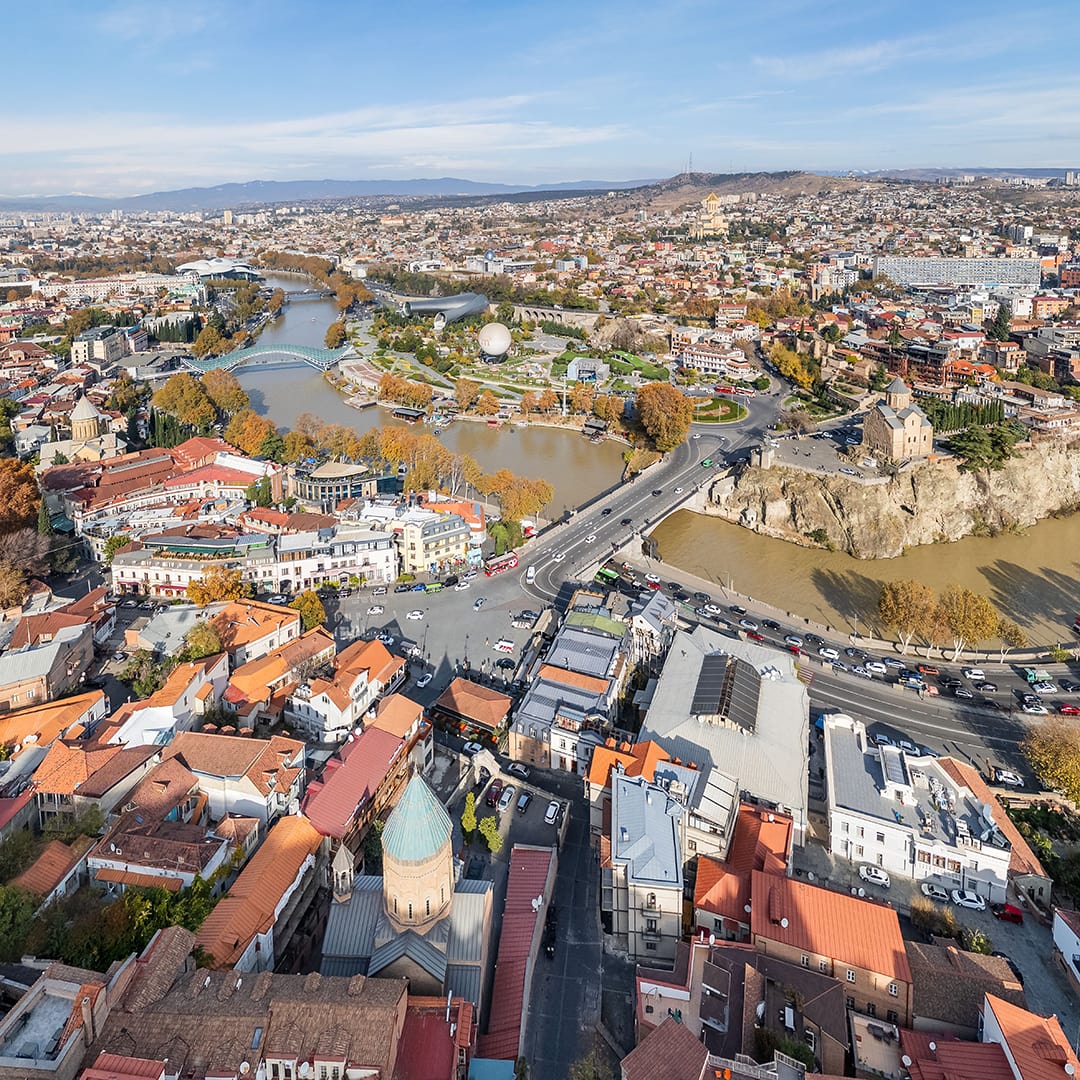 Tbilisi, Georgia
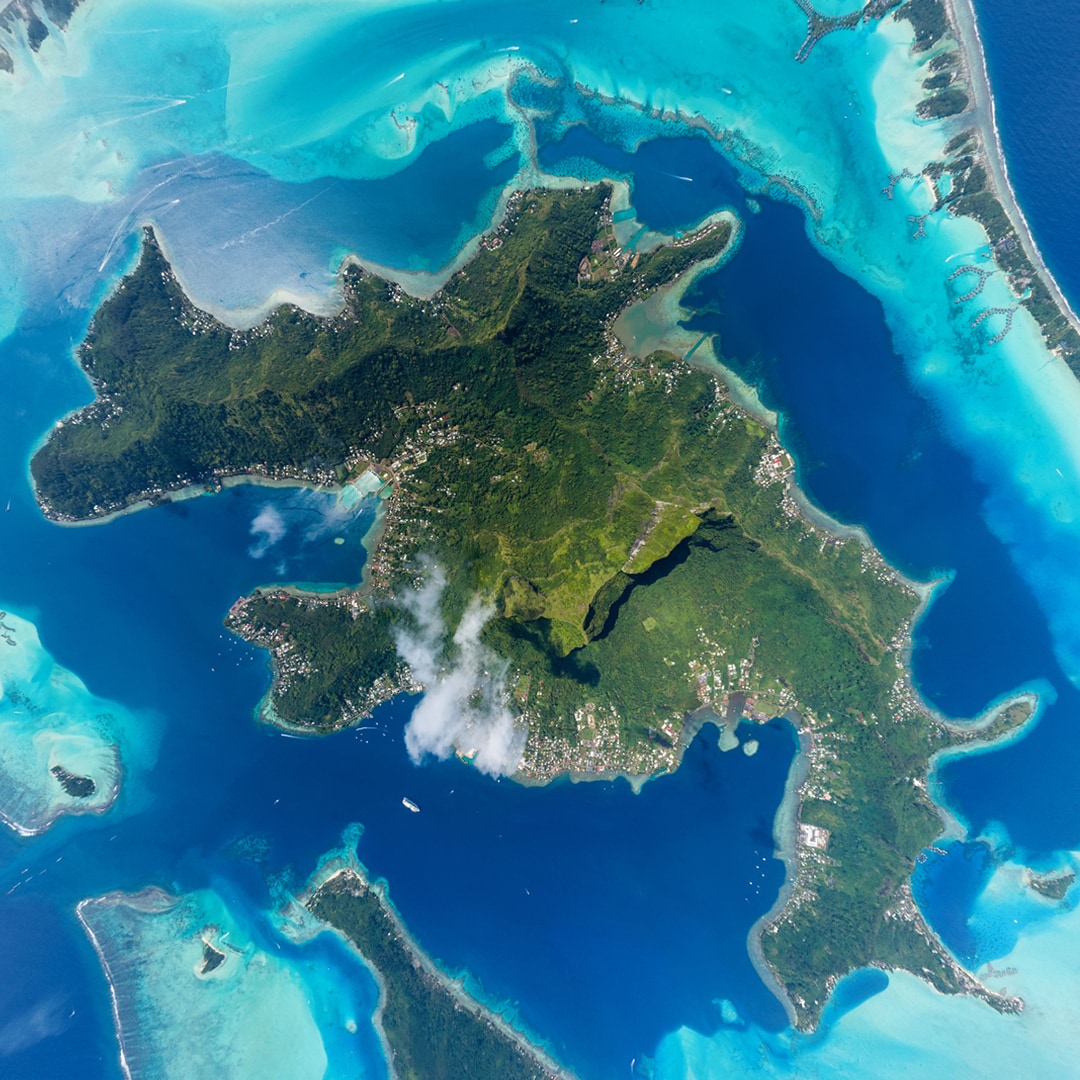 Bora-Bora, French Polynesia
 Curonian Spit, Russia-Lithuania
 Bryce Canyon, USA. Part I
 Carnival of Venice. Part I
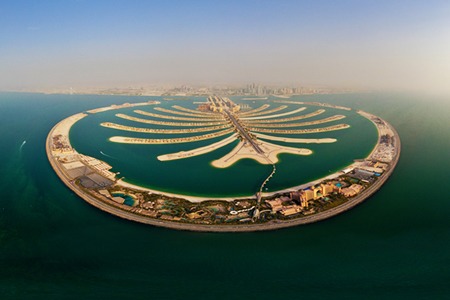 United Arab Emirates
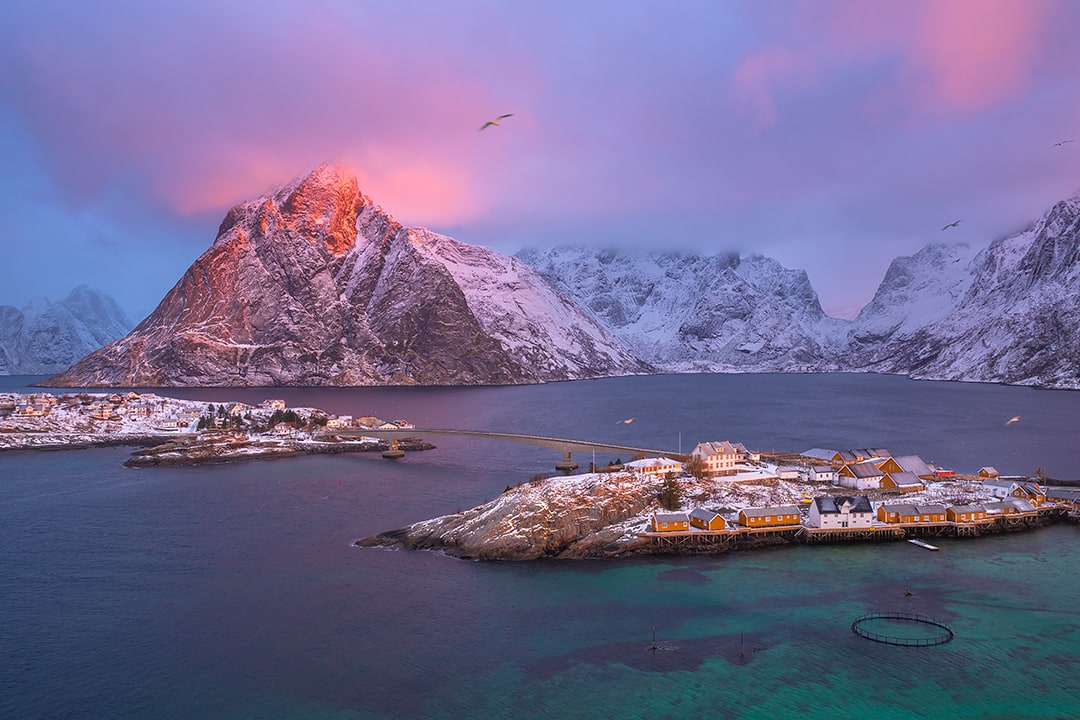 Lofoten Islands, Norway
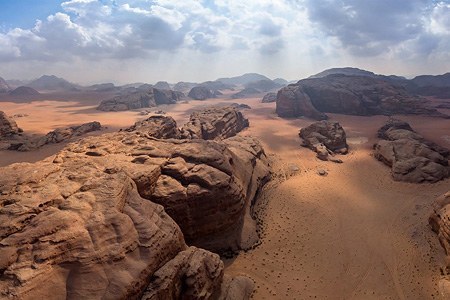 Wadi Rum Desert, Jordan. Teaser
Show more
